- New Arrivals
 Fiction
- Historical FictionCrime & ThrillersMysteryScience-FictionFantasyPoetryRomanceChildren’s BooksYoung Adult
- Biographies & MemoirsHistoryCurrent AffairsTech & ScienceBusinessSelf-DevelopmentTravelThe ArtsFood & WineReligion & SpiritualitySportsHumor
Children’s BooksListsBlogGift CardsMy ListsGames- About & Help
- About Tertulia
- Membership & Co-Ownership
- Shipping & Delivery
- Orders & Payments
- Contact Support
- Send App Feedback
- Follow us


- Download the app



The co-op bookstore for avid readers
Essential Books Every Writer Should Read
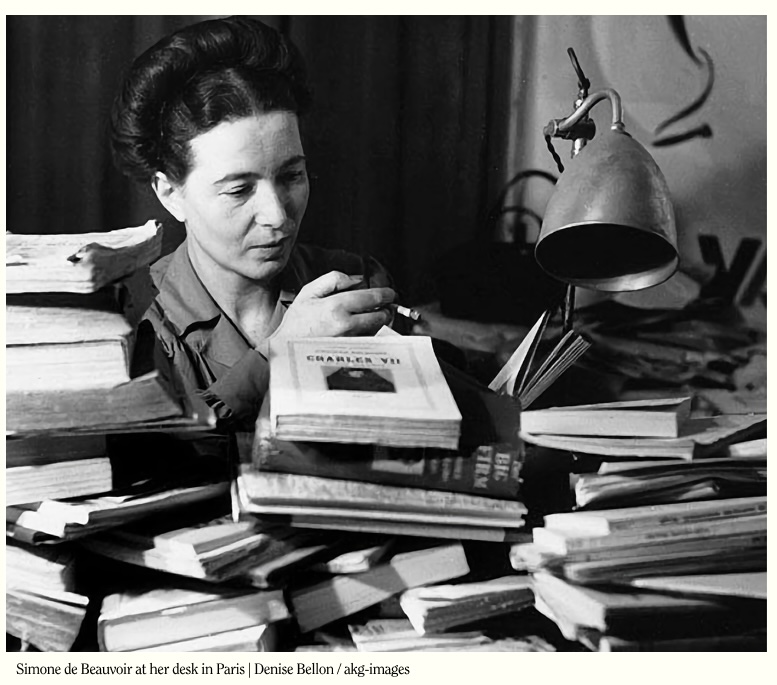
Whether you’re drafting your first novel, developing a nonfiction proposal, or already navigating the publishing industry, these books offer practical guidance from some of the most respected voices in writing today. From Elizabeth McCracken’s widely praised new book on craft to publishing guides by industry experts, this list covers every stage of the writing and publishing process. Below, you’ll find some fresh new books for writers, along with a select group of timeless classics that continue to shape how writers approach craft, creativity, and the business of books.
New Books That Writers Are Talking About Now
A Long Game: Notes on Writing Fiction by Elizabeth McCracken
A Long Game draws on the experience of a National Book Award finalist to offer a sustaining view of creative life, favoring patience, attentiveness, and the long view over prescriptive advice. “Infused with the author’s signature humility, humanity, and humor, A Long Game is a guide not only to the craft of writing fiction, but also to the art of living as a working writer,” according to Poets & Writers.
Take It from Me: An Agent's Guide to Building a Nonfiction Writing Career from Scratch by Alia Hanna Habib
A narrative guide to nonfiction publishing written from inside the work, Take It from Me demystifies everything from shaping a book idea to navigating agents, proposals, and publicity. Praised by Kirkus as “an invaluable resource for aspiring and professional writers alike,” this guide stands out for its clarity, generosity, and practical honesty, informed by the perspective of a senior literary agent who represents Pulitzer Prize winners, MacArthur Fellows, and New York Times bestselling authors.
Writing Creativity and Soul Sue Monk Kidd
Sue Monk Kidd writes about creativity as a practice of courage, attention, and interior risk, drawing from her own delayed arrival at the writing life and the lives of writers who refused to ask permission. Called “a luminous meditation on making art and making a life” by Paula McLain and awarded a starred Kirkus review, this is a book writers keep close, not skim.
Updated Guides
The Business of Being a Writer, Second Edition by Jane Friedman
Jane Friedman has become the publishing industry’s most trusted advisor, and this fully revised edition reflects just how much the business has shifted in the last five years. Frequently assigned in MFA programs and praised by literary agent Carly Watters as “a level-headed look at an industry full of contradictions,” it explains platforms, contracts, and money without losing sight of why writers do the work at all.
Write Through It: An Insider's Guide to Publishing and the Creative Life by Kate McKean
Kate McKean, a literary agent and longtime industry educator who you can find on Substack, writes directly to the emotional tumult of writing and publishing, not just its mechanics. Write Through It is clear-eyed about queries, timing, and rejection, but its real strength is treating doubt, fear, and persistence as integral to the work rather than distractions from it.
Writers' & Artists' Yearbook 2026: The Best Advice on How to Write and Get Published
The latest edition of the Writers’ & Artists’ Yearbook is the book you reach for when you need names, categories, and next steps across fiction, nonfiction, poetry, scripts, and hybrid work. Revised annually it functions less as advice than as a working map of the industry.
Creativity, Reflection, and the Writing Life
Joyride: A Memoir by Susan Orlean
Susan Orlean’s memoir reads like a master class disguised as a life story, tracing how curiosity, discipline, and delight shaped one of the great careers in narrative nonfiction. Called “the best craft book on writing you will ever read” by The Boston Globe and praised by Kirkus for packing “an MFA in nonfiction writing” into its pages, Joyride offers writers something rarer than instruction: a way of seeing.
Fear Less: Poetry in Perilous Times by Tracy K. Smith
Former U.S. Poet Laureate Tracy K. Smith makes a direct, generous case for poetry as a living practice, grounding readers in how poems are written, read, and used to reckon with uncertainty, loss, and civic life. Fear Less invites even hesitant readers into poetry as a craft rooted in attention, courage, and shared humanity.
Timeless Favorites
On Character, Judgment, and Language
Mr. Bennett and Mrs. Brown: (Large Font Edition) by Virginia Woolf
First delivered in the early 1920s and written in direct response to Arnold Bennett, Woolf’s essay redefined what it means for a character to feel “real,” insisting that realism cannot be separated from a serious reckoning with social change. By tracing a shift around 1910 in how people relate to one another, Woolf rejects characters shaped solely by surface detail and argues instead that attending to consciousness is how literature participates in imagining a different society, a claim history has largely vindicated.
Changing My Mind: Occasional Essays by Zadie Smith
A longtime favorite among writers, Changing My Mind is less a craft manual than a record of how sustained reading and criticism sharpen judgment over time. Praised by the Los Angeles Times for its “lively, unselfconscious, rigorous, erudite, and earnestly open mind,” the collection remains useful because it models thinking refined through encounter, revision, and close attention.
On Practice and Process
Bird by Bird: Some Instructions on Writing and Life by Anne Lamott
Bird by Bird has guided writers for decades, beginning with Lamott’s insistence that overwhelming work becomes possible only when taken one piece at a time. Praised by The New York Times Book Review as “hilarious, helpful, and provocative,” the book endures because it treats fear, doubt, and imperfection as part of the work itself.
The Creative ACT: A Way of Being by Rick Rubin
Rick Rubin, American record producer, approaches creativity less as output than as orientation, arguing that making art begins with attention, listening, and a willingness to get out of one’s own way. The book loosens perfectionism and returns focus to presence, patience, and the conditions that allow creative work to emerge.
Steering the Craft: A Twenty-First-Century Guide to Sailing the Sea of Story by Ursula K. Le Guin
Ursula K. Le Guin treats writing as both a technical and ethical practice, breaking story down to essentials such as sentence rhythm, point of view, and the sound of language. Praised by Publishers Weekly as “a star by which to set one’s course,” the book lasts because it asks writers not only to improve their work, but to take responsibility for how language shapes thought and meaning.
On Power Behind the Page
Toni at Random: The Iconic Writer's Legendary Editorship by Dana A. Williams
Most writers know Toni Morrison as an author. This book reveals her other, equally consequential role: the editor who helped shape an era of American literature from inside Random House. Praised by A Gathering Together: Literary Journal as “an intellectual tour de force” and recommended by Well-Read Black Girl as “required reading, especially for aspiring editors,” Toni at Random shows how editorial vision, advocacy, and risk-taking determine which voices endure.